
Your heating system should warm your home quietly and evenly, but if you are nursing radiators that stay cold at the bottom, a boiler that bangs like a drum, or rooms that never quite heat up no matter how high you set the thermostat, you are probably searching for reliable heating power flush advice. You have come to the right place. This guide explains exactly what a power flush involves, how to spot the warning signs, what you should pay in 2026, and how to find a trustworthy engineer who will do the job properly. No jargon, no sales pitch, just the practical information you need to make an informed decision before the cold weather bites.
Table of Contents
- What Is a Heating Power Flush and Why Does Your System Need One?
- 7 Clear Signs Your Home Needs Heating Power Flush Advice
- The Power Flush Process: What UK Homeowners Can Expect
- How Much Does a Heating Power Flush Cost in the UK? (2026 Prices)
- Power Flush vs. Magnetic Filter: Do You Need Both?
- How to Choose a Reputable Power Flush Engineer in the UK
- Frequently Asked Questions About Heating Power Flushes
- Conclusion: Take Action Before Winter Hits
What Is a Heating Power Flush and Why Does Your System Need One?
A heating power flush is a deep clean for your central heating system. It uses a high-velocity pumping machine to force water and specialist chemicals through your radiators, pipework, and boiler at pressure, dislodging and flushing out the sludge, rust, limescale, and debris that have built up over years of use. Unlike simply bleeding a radiator, which only releases trapped air, or tipping a chemical cleaner into the header tank and hoping for the best, a power flush actively scrubs the entire system. The pump pushes water at rates of up to 50 litres per minute, far faster than your boiler’s circulation pump ever could, physically scouring the inside of pipes and radiator panels.

Sludge accumulates in every central heating system over time, but the problem is particularly aggressive in UK homes with hard water and in systems older than ten to fifteen years. Black iron oxide sludge forms when water reacts with the steel inside radiators, and this thick, mud-like substance settles at the lowest points, blocking flow and trapping heat. Limescale from hard water compounds the issue, crusting onto boiler heat exchangers and reducing efficiency. A power flush is not a DIY job. It requires a trained engineer with a commercial flushing machine, the correct chemical agents, and the knowledge to isolate components, manage pressure safely, and dispose of waste water responsibly. The primary benefit is straightforward: a properly flushed system delivers heat faster, runs quieter, costs less to operate, and places far less strain on your boiler, potentially adding years to its working life.
7 Clear Signs Your Home Needs Heating Power Flush Advice
Cold Spots on Radiators That Will Not Disappear
The most obvious red flag is a radiator that is roasting hot at the top but stone cold across the bottom or in patches through the middle. This pattern points directly to sludge settlement, not trapped air. When you bleed a radiator and clear water escapes, you have solved an air problem. When you bleed it and the cold patch remains stubbornly in place, you are dealing with a layer of debris that bleeding cannot touch. That sludge is physically blocking the water channels inside the panel, and the only way to shift it is with a high-pressure flush.
Noisy Boiler or Gurgling Pipework
If your boiler has started making banging, popping, or rumbling sounds, known in the trade as kettling, sludge and limescale are almost certainly the culprits. Deposits on the heat exchanger cause water to boil unevenly and overheat locally, creating steam bubbles that collapse noisily. You might also hear gurgling or trickling from radiators and pipework as water struggles to push past blockages. These sounds are not just annoying; they signal restricted flow that is forcing your boiler to work dangerously hard, accelerating wear on the pump and heat exchanger.
Radiators Take Forever to Heat Up
A healthy central heating system should bring radiators up to temperature within five to ten minutes of the boiler firing. If you find yourself waiting half an hour or longer, and some radiators never feel more than lukewarm, sludge is restricting circulation. The boiler is generating heat, but that heat is not being carried efficiently around the house. You are paying for energy that never reaches your rooms.
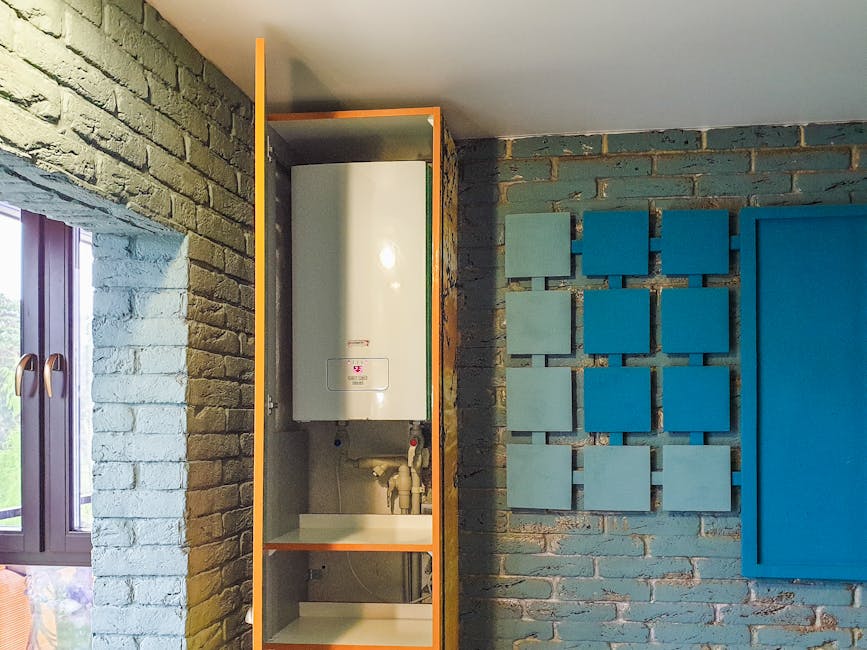
Boiler Cycling On and Off Frequently
Short-cycling, where the boiler fires up, runs briefly, shuts down, and then repeats the cycle minutes later, often traces back to a blocked heat exchanger or restricted pipework. The boiler reaches its target temperature quickly because water cannot circulate properly, so it cuts out, only to fire again as the system cools almost immediately. This stop-start pattern guzzles energy and subjects boiler components to repeated thermal stress, shortening the unit’s lifespan.
Dirty Water When Bleeding Radiators
If you open a bleed valve and black, brown, or rust-coloured water drips out, you have visual proof of internal corrosion. That discolouration is suspended iron oxide, and its presence in one radiator usually means the entire system is contaminated. Clean water should run clear. Anything else is a call to action.
Uneven Heating Across Different Rooms
Sludge does not distribute itself evenly. It settles in the lowest parts of the system, so ground-floor radiators, extensions with longer pipe runs, and rooms furthest from the boiler often suffer the worst cold spots. Upstairs radiators might work perfectly while downstairs rooms stay chilly. A power flush restores balanced flow, so every radiator receives its fair share of hot water.
Recent Boiler Installation Without a System Flush
If a new boiler was fitted to your existing pipework and radiators without a prior system clean, you should be concerned. Modern condensing boilers have narrow internal waterways that clog easily when old sludge breaks loose. Many manufacturer warranties explicitly require evidence that the system was flushed at installation. Without it, you risk a costly repair that the warranty will not cover. If your new boiler is already playing up, a power flush is the logical first step.
The Power Flush Process: What UK Homeowners Can Expect
Knowing what happens during a power flush removes the mystery and helps you feel confident when the engineer arrives. The process follows a clear sequence and typically takes between four and eight hours, depending on the size of your property and the severity of the contamination.
The engineer begins with a system assessment, checking your boiler type, the number of radiators, pipework material, and any existing leaks or weak joints. This initial survey is critical because older pipework, particularly in homes built before the 1980s, may have micro-bore pipes or soldered joints that require careful handling. Once the system is inspected, the engineer isolates the boiler from the rest of the circuit to protect its components, drains the system, and introduces a chemical sludge remover or descaler into the pipework.
The flushing machine is then connected, usually across the pump head or via a radiator valve, and the high-pressure circulation begins. Water and chemicals surge through every radiator, pipe, and valve at velocities far exceeding normal operation. The engineer will go around the house, individually isolating and flushing each radiator in turn, sometimes using a rubber mallet to vibrate the panels and dislodge stubborn deposits. The discharge water is monitored throughout; initially black and thick with debris, it gradually clears as the sludge is expelled.
When the water runs consistently clear, the flushing stops. The system is drained again, refilled with fresh water, and a corrosion inhibitor is added to protect against future sludge formation. The engineer then re-balances all radiators, adjusting the lockshield valves so that each one heats up at the same rate, and performs a final system test to confirm even heat distribution and check for any leaks. You should leave the appointment with warm radiators, a quieter boiler, and a written record of the work completed and chemicals used.
How Much Does a Heating Power Flush Cost in the UK? (2026 Prices)
For a standard three to four-bedroom home with eight to twelve radiators, expect to pay between £300 and £600 for a professional power flush in 2026. The final figure depends on several variables. The number of radiators is the most obvious factor; some engineers charge a base rate plus a per-radiator fee, while others offer fixed-price packages for typical property sizes. System complexity also plays a role. Homes with multiple heating zones, underfloor heating circuits, or difficult access to pipework may incur additional labour charges. The quality and brand of chemicals used, such as Fernox or Sentinel products, can influence the price, as can the inclusion of a magnetic filter installation as part of the package.
When you weigh this against the alternatives, a power flush is cost-effective preventative maintenance. Replacing a failed boiler typically costs between £2,000 and £4,000, and replacing multiple corroded radiators adds hundreds more. A flush that restores system health for a fraction of that outlay makes financial sense. Always obtain at least three written quotes from Gas Safe Registered engineers before booking. The quotes should itemise chemicals, labour, and any additional work such as radiator removal or inhibitor top-up. For domestic work, VAT is normally included in the quoted price, but confirm this when comparing estimates.
Power Flush vs. Magnetic Filter: Do You Need Both?
A magnetic filter and a power flush serve different purposes, and understanding the distinction will help you protect your system for the long term. A magnetic filter is a device fitted to the boiler return pipe that captures suspended iron oxide particles as water flows through it, preventing fresh sludge from circulating and settling. It works continuously, but it can only trap what is already floating in the water. It cannot remove sludge that has already solidified at the bottom of radiators or caked onto pipe walls.
The correct sequence is a power flush first, to clear out the accumulated debris, followed by a magnetic filter installation to keep the system clean going forward. Many boiler manufacturers now mandate a magnetic filter for warranty validity on new installations. If your system already shows signs of significant sludge, a filter alone is insufficient. It will catch new particles but leave the existing blockage untouched. Combining both, and topping up the inhibitor annually, gives your heating system the best possible defence against corrosion and efficiency loss.
How to Choose a Reputable Power Flush Engineer in the UK
Selecting the right engineer is the single most important decision in this process. A power flush performed badly can cause leaks, damage older pipework, or fail to clear the sludge, leaving you out of pocket with the same problems. Start with a non-negotiable requirement: the engineer must be Gas Safe Registered. This is the legal minimum for anyone working on gas appliances in the UK, and you can verify their registration number instantly on the Gas Safe Register website.
Beyond the basic qualification, look for engineers who hold specific power flush training or accreditation from chemical manufacturers such as Fernox, Sentinel, or Kamco. These certifications indicate that the engineer has been trained in the correct use of flushing equipment and chemicals. Ask to see before-and-after photographs or video evidence from previous jobs; a confident professional will have a portfolio of work showing black discharge water turning clear. Request a written quotation that breaks down the costs for chemicals, labour, and any additional tasks like removing particularly blocked radiators for manual cleaning.
Check online reviews on platforms such as Trustpilot, Checkatrade, or MyBuilder, focusing specifically on heating-related feedback rather than general handyman comments. Be wary of the cheapest quote. An unusually low price may mean the engineer plans to rush the job, use inferior chemicals, or skip steps like individual radiator flushing. Confirm that the engineer carries public liability insurance with a minimum of £2 million cover. Finally, trust your instincts during the initial conversation. A good engineer will explain the process clearly, answer your questions without evasion, and never pressure you into an immediate booking.
Frequently Asked Questions About Heating Power Flushes
Can a power flush damage old pipes?
In the vast majority of cases, no. However, if your pipework is already severely corroded or has weakened joints, the increased pressure may expose existing vulnerabilities. A reputable engineer will test system pressure and inspect accessible pipework before starting, and will advise you if any sections look too fragile.
How long does a power flush last?
With a magnetic filter fitted and annual inhibitor top-ups, the benefits of a power flush typically last between five and ten years. The exact duration depends on your water hardness, system materials, and how regularly you maintain the inhibitor levels.
Is a power flush covered by home insurance?
Generally, no. Home insurance policies classify power flushing as routine maintenance rather than an insurable event. There are rare exceptions if sludge resulted from a covered incident, such as a burst pipe introducing contaminants, so check your specific policy wording.
Can I do a power flush myself?
No. Professional-grade flushing machines, industrial chemicals, and the expertise to manage system pressure and chemical disposal are all required. DIY attempts risk damaging your boiler, invalidating warranties, and creating leaks that cost far more to repair than the flush itself.
Will a power flush reduce my heating bills?
Yes. A clean system transfers heat far more efficiently, meaning your boiler does not need to run as long or as hard to achieve the same room temperatures. Energy savings of ten to twenty percent are commonly reported after a professional power flush, particularly in systems that were heavily sludged.
Conclusion: Take Action Before Winter Hits
Cold radiators, boiler noise, and sluggish heating are not problems that fix themselves. Every week you delay, sludge continues to accumulate, your boiler works harder, and your energy bills creep higher. The real risk is a complete breakdown during a winter cold snap, when engineers are booked solid and emergency call-out fees are at their peak. If you have recognised any of the signs described in this guide, book a system assessment with a Gas Safe Registered engineer now, before October 2026. A professional evaluation will confirm whether a power flush is the right solution for your home, giving you peace of mind and a warm, efficient heating system ready for the months ahead. When you need honest, practical heating power flush advice, start with a qualified engineer who will show you exactly what is happening inside your pipes and radiators.