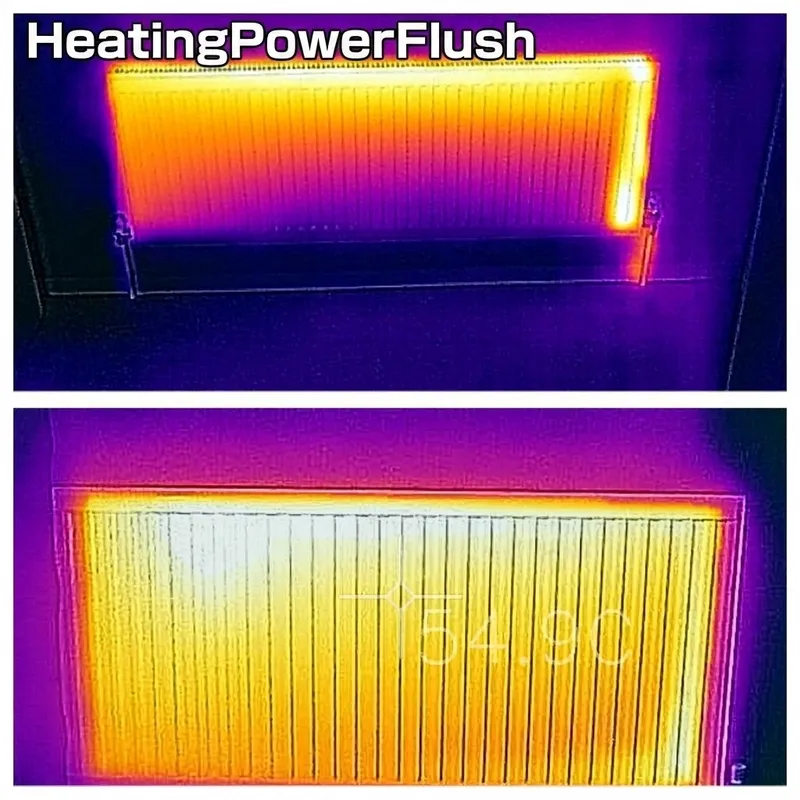
Black sludge is the silent killer of central heating in Northern Ireland. You cannot see it from the outside—your boiler panel looks fine, your radiators look normal—but inside the pipes a thick, gritty soup of rust is strangling your system. Left untreated, it leads to cold homes, sky-high gas bills, and boiler replacements that could have been avoided. Here is what it actually is, how to spot it early, and what to do before it destroys your heating.
What is black sludge?
Black sludge is mostly magnetite—iron oxide formed when the water in your system reacts with steel radiators, pipework, and internal boiler components. Microscopic particles clump together into a heavy black mud. Because it is denser than water, it sinks to the bottom of radiators and low points in pipe runs, forming hard blockages that hot water cannot push through.
Heating engineers sometimes call it “magnetite sludge” or simply “system sludge.” It is not dirt from outside your home—it is your heating system literally rusting from the inside out.
How does sludge build up?
- Untreated system water — no corrosion inhibitor when the system was filled
- Fresh water top-ups — every bleed or pressure loss introduces oxygen, which accelerates rust
- Dissimilar metals — copper, steel, and aluminium in the same loop increase corrosion
- Age — systems over 10–15 years without a flush accumulate debris continuously
- Poor commissioning — new boilers fitted to old dirty pipework without cleaning first
Northern Ireland homes are especially prone because so many systems are ageing steel-radiator setups that have run for decades on the same water. A new combi boiler on old sludged pipes will fail prematurely if the water quality is not addressed.
Warning signs you have black sludge
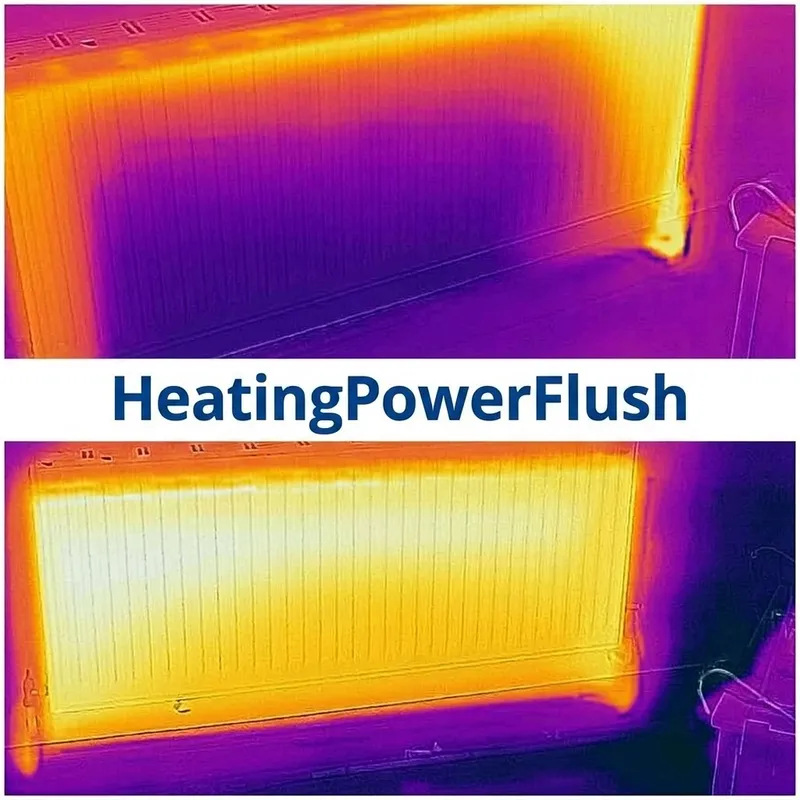
- Radiators cold at the bottom but warm at the top
- Black or dark brown water when bleeding radiators
- Boiler kettling — banging or rumbling when heating
- Radiators need bleeding frequently (sometimes hydrogen from corrosion, not air)
- Some radiators never get hot while others work fine
- Boiler pump running loudly or failing
- Heating takes much longer than it used to
Quick test
Bleed a radiator into a white container. If the water is clear or slightly grey, sludge may be mild. If it is jet black or leaves a gritty residue, your system needs professional cleaning—not another top-up of fresh water.
What damage does sludge cause?
Boiler damage
Sludge gets pulled through the heat exchanger and pump. The exchanger narrows with scale and debris, causing kettling and overheating. Pumps seize or wear out from grinding particles. Manufacturers often void warranties if a failed boiler is full of sludge—because the breakdown was preventable.
Radiator damage
Bottom sections of radiators stay cold permanently, wasting panel area. In severe cases, radiators pin-hole leak after years of internal corrosion. Replacing every radiator is far more expensive than flushing while the system is still sound.
Higher energy bills
Your boiler runs longer to hit the same room temperature. A system with blocked radiators might run 30–50% longer each day in winter. That cost adds up quickly with current gas prices.
Can I fix sludge myself?
Bleeding radiators only releases trapped air or gas at the top—it does not remove sludge from the bottom. System filters, garden-hose flushing, and off-the-shelf “sludge removers” rarely achieve the flow rate needed to shift hardened magnetite from long pipe runs.
A professional power flush uses a high-velocity pump and specialist chemicals to mobilise debris, then dumps the contaminated water safely. After flushing, a corrosion inhibitor is dosed to slow new rust forming. Skipping the inhibitor means sludge returns within a year or two.
Power flush vs magnetic filter: do you need both?
A power flush clears existing sludge. A magnetic filter catches new rust particles before they reach the boiler—think of it as ongoing protection. Best practice in NI is flush first, inhibitor second, magnetic filter third—especially after fitting a new boiler. We install MagnaClean, Fernox TF1, and BoilerMag units across Northern Ireland.
When is it too late to flush?
If radiators are already leaking, pipework is perforated, or a Gas Safe engineer has condemned the boiler, flushing will not save the system. But if the boiler is under 12 years old and radiators are structurally sound, flushing is almost always worth it before accepting a £2,000+ replacement quote.
Do not wait for winter
Sludge problems show worst when the heating is on daily. Booking a flush in summer often means faster scheduling and you enter autumn with a system that heats evenly from day one.
Next steps for NI homeowners
If you recognise the symptoms above, start with our symptom guides for cold radiators or black radiator water, then get a fixed-price quote. A full flush in Northern Ireland is a £150 set-up fee and chemicals, then £40 per radiator—we show your exact figure in our calculator before you book.