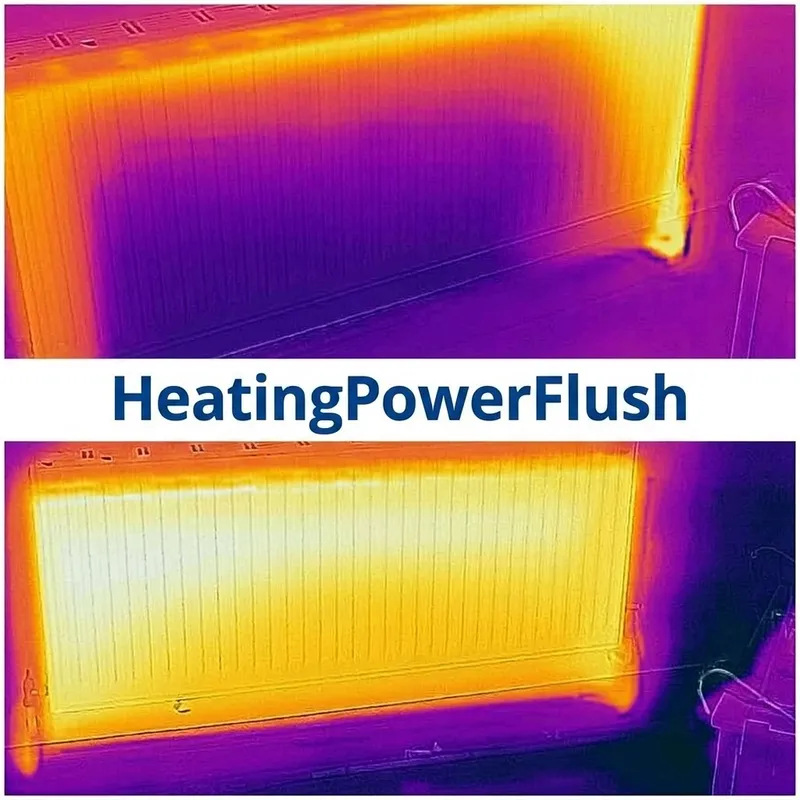
Bleeding radiators is one of the few DIY jobs homeowners feel confident tackling—and often it is the right fix. But if you bleed repeatedly and the problem returns, or if cold spots are at the bottom of the panel instead of the top, bleeding will not help. You may be treating the wrong problem. Here is how to tell the difference before you waste time—or make things worse.
What bleeding radiators actually does
Bleeding releases trapped gas from the top of a radiator. That gas might be air from a recent top-up, or hydrogen produced by internal corrosion. Once the gas is out, hot water can fill the top of the panel again. It is a five-minute job with a bleed key and a cloth.
When bleeding is the right fix
- Radiator is cold at the TOP but warm at the bottom
- You hear gurgling or trickling at the top of the panel
- The radiator worked fine last year and no other rads are affected
- Water runs clear (not black) when you bleed
- System pressure is normal after bleeding (around 1–1.5 bar on combi)
When bleeding will not work
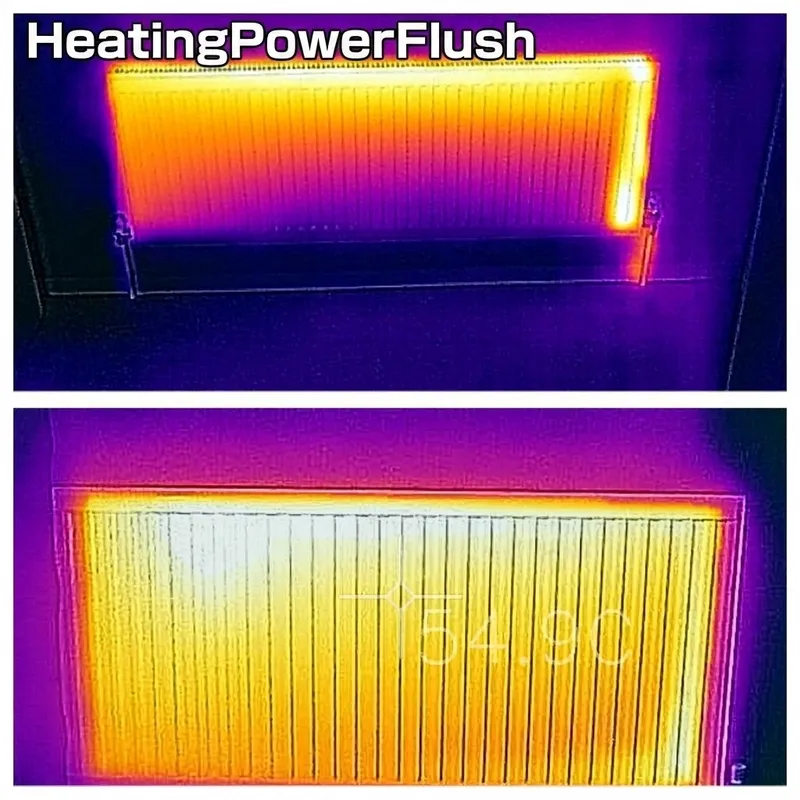
- Radiator is cold at the BOTTOM but warm at the top — classic sludge
- Water runs black or brown when bleeding
- You bleed weekly and the problem returns
- Several radiators are cold while others overheat
- Boiler is noisy (kettling) even after bleeding
- Heating takes much longer than it used to
Bottom cold spots mean heavy magnetite sludge has sunk and blocked the flow path. No amount of bleeding releases that—you are only venting gas at the top while the bottom stays full of mud.
The simple rule
Cold at the top → try bleeding first. Cold at the bottom → you need a power flush, not a bleed key.
Why repeated bleeding makes sludge worse
Every time you bleed, you lose system pressure. The boiler or filling loop replaces that water with fresh mains water—and fresh water contains oxygen. Oxygen accelerates rust inside steel radiators, producing more sludge and more hydrogen gas. You enter a cycle: bleed, temporary fix, more rust, bleed again.
If you have bled more than twice in one winter for the same radiator, stop and book a system assessment.
What a power flush does differently
A power flush connects a high-flow pump to your heating circuit and circulates chemical cleaner at velocity strong enough to mobilise sludge from radiators and pipework. The dirty water is dumped, the system is refilled with clean water, and inhibitor is added to slow new corrosion.
It addresses the root cause—contaminated water—not just the symptom at the top of one radiator.
Can you bleed after a power flush?
Yes, occasionally. A proper flush removes air pockets too. If a single radiator needs a top-up bleed weeks later, that is normal. If you are bleeding monthly after a flush, the flush may have been incomplete or inhibitor was not dosed correctly.
Quick comparison
- Bleeding — DIY, free, 5 minutes, fixes trapped gas at top
- Power flush — professional, £350+, half day, removes sludge throughout system
- Magnetic filter — professional fit, ~£150, ongoing protection after flush
What to do next
Check where your radiators are cold. Read our cold radiators guide if the bottom is cool, or our black water guide if bleeding produced dirty water. If sludge is the cause, get a fixed-price flush quote for your NI postcode—you will know the cost before anyone visits.